Methamphetamine Explained: A Complete Guide to Effects, Appearance, Chemistry, and Health Risks
Methamphetamine is one of the most widely discussed and misunderstood stimulant drugs in the world. Known for its powerful effects on the central nervous system, it has significant medical, social, and health implications. This guide breaks down everything from what methamphetamine is, to how it looks, how long it stays in the body, and the dangers associated with long-term use. Looking for what does methamphetamine look like?
What Is Methamphetamine?
Methamphetamine is a synthetic stimulant drug that affects the brain and nervous system. It increases levels of dopamine, a neurotransmitter linked to pleasure, motivation, and reward.
Chemically, methamphetamine belongs to the amphetamine class of stimulants, but it is significantly more potent than amphetamine itself.
It can exist in several forms:
- Powder (white or off-white)
- Crystalline solid (“crystal meth” or “ice”)
- Pills (less common illicitly)
Although it has limited medical use under strict regulation, most methamphetamine encountered globally is illicitly produced.
Chemical Formula for Methamphetamine
The chemical formula for methamphetamine is:
C₁₀H₁₅N
This structure includes a phenethylamine core with a methyl group attached, which increases its ability to cross the blood-brain barrier more efficiently than amphetamine. This small structural difference is one reason methamphetamine produces stronger and longer-lasting effects.
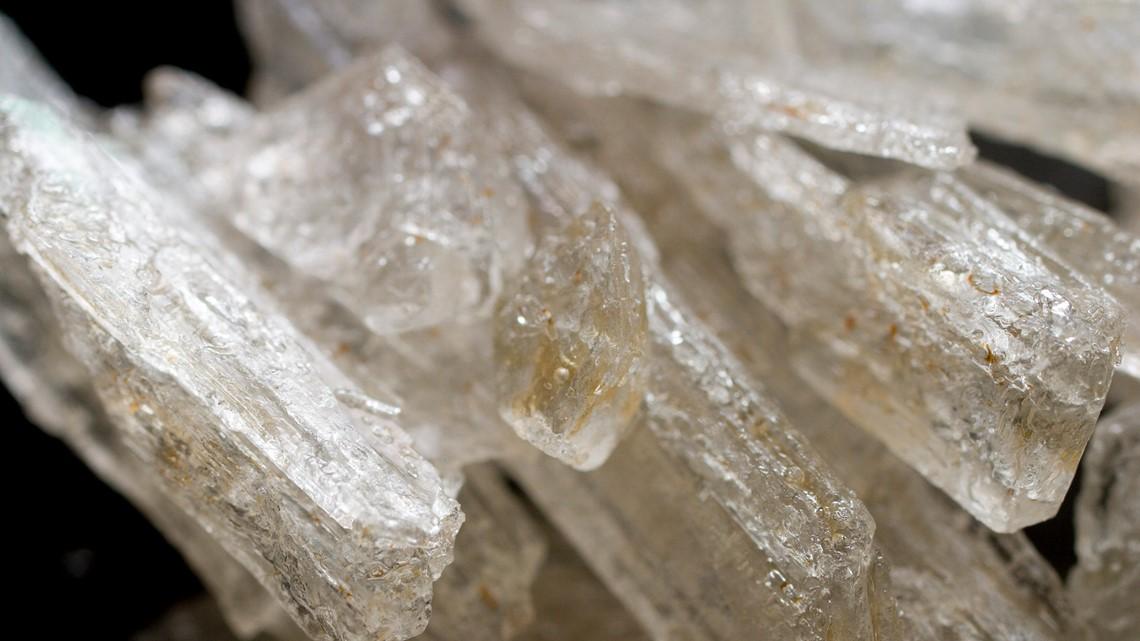
What Does Methamphetamine Look Like?
Methamphetamine can vary in appearance depending on purity and form.
Common appearances:
- Crystalline shards (clear, white, or bluish tint)
- Powdery substance (fine and white/off-white)
- Small crystalline rocks resembling ice or glass


The crystalline form is often referred to as “ice” due to its glass-like appearance.
What Is Crystal Meth vs Methamphetamine?
Many people ask: meth vs crystal meth—what is the difference?
The answer is simple:
- Methamphetamine = the drug itself (all forms)
- Crystal meth = a specific crystalline form of methamphetamine
Key differences:
- Crystal meth is purer and more visually distinct
- Powder meth is often less refined
- Both contain the same active chemical compound
So, crystal meth is not a different drug—it is just a form of methamphetamine.
What Is Blue Methamphetamine?
Blue methamphetamine refers to meth that appears blue in color, often due to:
- Dyes or coloring agents
- Impurities from production
- Popular culture influence (notably TV dramatization)
Despite myths, blue meth is not inherently more pure or stronger. In most real-world cases, the color has no meaningful effect on potency.
Street Names for Methamphetamine
Methamphetamine is known by many slang or street names, including:
- Ice
- Crystal
- Glass
- Tina
- Crank
- Speed
- Chalk
- Quartz
These names often vary by region and user subculture.
Methamphetamine Eyes (Physical Effects on Eyes)
One of the noticeable physical signs associated with methamphetamine use is often referred to as “meth eyes.”
Common eye-related effects may include:
- Dilated pupils
- Rapid eye movement
- Dry or irritated eyes
- Reduced blinking
- Glazed or intense stare
These effects are caused by methamphetamine’s stimulation of the nervous system and increased adrenaline activity.
How Long Does Methamphetamine Stay in Your System?
The duration methamphetamine remains detectable depends on several factors:
- Dosage
- Frequency of use
- Metabolism
- Body fat percentage
- Hydration and health status
Typical detection windows:
- Blood: 1–3 days
- Urine: 3–7 days (can be longer in heavy use)
- Saliva: 1–4 days
- Hair: Up to 90 days or more
How Long Does Crystal Meth Stay in Your System?
Crystal meth follows the same metabolic pathway as methamphetamine because it is the same substance in a different form.
Therefore:
- Detection times are identical
- No difference in elimination rate between crystal meth and powder meth
Crystal meth may feel longer-lasting due to faster absorption and higher purity, but the body processes it the same way.
Methamphetamine-Induced Rhabdomyolysis
One of the serious medical complications associated with heavy stimulant use is methamphetamine-induced rhabdomyolysis.
What is it?
Rhabdomyolysis is a condition where muscle tissue breaks down rapidly, releasing proteins like myoglobin into the bloodstream.
How meth contributes:
Methamphetamine can lead to:
- Extreme physical activity or agitation
- Hyperthermia (dangerously high body temperature)
- Dehydration
- Muscle overexertion
Risks include:
- Kidney failure
- Electrolyte imbalance
- Severe systemic complications
This condition is a medical emergency and requires immediate treatment.
Methamphetamine “Tweak”: Growing Up on Methamphetamines
The term “tweak” is often used in street culture to describe individuals who are heavily under the influence of methamphetamine.
The phrase “growing up on methamphetamines” refers to a broader social issue affecting families and communities where meth use is widespread.
Common themes in such environments:
- Unstable home life
- Neglect or inconsistent caregiving
- Exposure to substance misuse at a young age
- Increased risk of mental health challenges
Children growing up in these environments often face long-term developmental and emotional consequences, including difficulties with trust, education, and social stability.
Methamphetamine Effects on the Body and Brain
Methamphetamine impacts multiple systems:
Short-term effects:
- Increased energy
- Reduced appetite
- Heightened alertness
- Increased heart rate and blood pressure
Long-term risks:
- Cognitive decline
- Memory impairment
- Anxiety and paranoia
- Sleep disturbances
- Severe dental issues (“meth mouth”)
What Does Methamphetamine Look Like in Culture and Media?
Methamphetamine is often portrayed in media in exaggerated forms, influencing public perception. While some depictions show blue crystals or ultra-pure forms, real-world meth is typically:
- Less visually uniform
- Often contaminated or impure
- Variable in color and texture
Pic of Methamphetamine (Visual Reference)


Meth vs Crystal Meth: Key Summary
| Feature | Methamphetamine | Crystal Meth |
|---|---|---|
| Form | Powder, pill, or crystal | Crystal form only |
| Purity | Varies | Often higher purity |
| Appearance | Powdery or solid | Glass-like shards |
| Chemical | Same compound | Same compound |
Psychological and Social Impact
Methamphetamine use is associated with:
- Addiction and dependency
- Behavioral changes
- Social isolation
- Financial instability
- Legal consequences
Communities affected by widespread meth use often experience long-term social and economic strain.
External Resource for Related Information
For broader chemical and research-related discussions in controlled environments, you can explore educational material at:
FreebaseChems
Conclusion
Methamphetamine is a powerful stimulant with complex physical, chemical, and social effects. From its crystalline “ice” form to its powder variants, the drug presents serious health risks, including addiction, neurological damage, and severe physical complications such as rhabdomyolysis.
Understanding its appearance, chemistry, and effects is essential for education, prevention, and awareness.